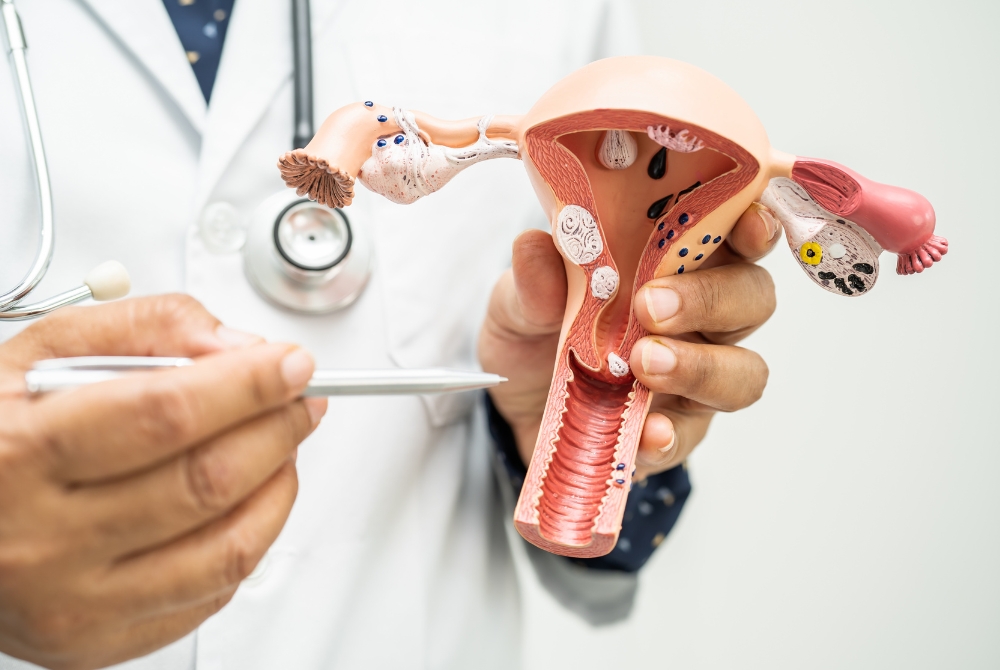

If you’re thinking about freezing your eggs and you’ve been told you have fibroids, polyps, adenomyosis or another uterine condition, you may be wondering whether egg freezing still makes sense for you. You might also be unsure whether to treat the condition first or freeze your eggs first.
Most uterine conditions do not directly affect egg collection, because eggs are collected from the ovaries. Your age, ovarian reserve and response to stimulation can influence how many eggs are collected, while age is an important factor in egg quality. A uterine condition may still affect the timing of treatment, planned surgery and how frozen eggs could be used later.
Here we explain how common uterine conditions may influence egg freezing decisions, what your specialist may assess and how different treatment steps can be considered together.
Does Uterine Condition Affect Egg Freezing?
For many people, a uterine condition will have little direct effect on egg collection. The uterus becomes more relevant if frozen eggs are later thawed, fertilised and an embryo is transferred. Some conditions can also affect treatment timing or access to an ovary during collection. Egg freezing usually involves around 10 to 14 days of hormone injections to help several eggs mature at once. The eggs are then collected from your ovaries during a short day procedure, using a fine needle guided by a vaginal ultrasound. They’re frozen in the laboratory and stored until you’re ready to use them.
Because of this, it can help to think about two separate questions:
• How many eggs might I be able to freeze? Your age, ovarian reserve and response to stimulation can help estimate egg numbers. AMH and ultrasound can provide information about ovarian reserve, but they cannot directly measure egg quality.
• Would my uterus be able to support a pregnancy later? Some uterine conditions may affect implantation or pregnancy. Your specialist can explain whether assessment or treatment may be helpful before an embryo transfer.
When Uterine Conditions Do Play a Role
Uterine conditions can influence the timing of egg freezing, particularly when symptoms need treatment or surgery is planned. Occasionally, a large fibroid may make access to an ovary more difficult. Endometriosis may also involve the ovaries and affect ovarian reserve. Your specialist will consider these factors together rather than assuming egg freezing must happen first.
How Common Uterine Conditions Influence Egg Freezing
Each condition affects your plans a little differently. Here’s what your specialist will usually consider for each one.
Fibroids are common, non-cancerous growths of the uterus. For most people, they do not prevent egg collection. Their size and location matter when considering symptoms, access to the ovaries and future pregnancy. Fibroids that distort the uterine cavity may affect implantation or miscarriage risk, while many fibroids cause no fertility difficulties.
If you use medication to manage fibroids, your specialist can review whether it affects ovarian stimulation. Large fibroids may occasionally make egg collection more technically difficult. The short-term rise in oestrogen during stimulation is another consideration to discuss if fibroids are large or symptomatic.
If surgery to remove fibroids (myomectomy) is planned, your specialist may discuss whether egg freezing before surgery is useful. The order of treatment depends on your symptoms, age, ovarian reserve and surgical plan. Recovery time before attempting pregnancy can vary with the type of surgery.
Uterine Polyps
Uterine polyps are growths of the uterine lining. They usually have little direct effect on collecting eggs, although some may affect implantation. A specialist may recommend further assessment or removal before an embryo transfer depending on the polyp and your clinical circumstances.
Adenomyosis
Adenomyosis occurs when tissue similar to the uterine lining is found within the muscle of the uterus. It can cause heavy or painful periods and may be associated with difficulties during implantation or pregnancy. It does not usually prevent egg collection, although symptoms and treatment can influence planning.
Some hormonal treatments for adenomyosis may need reviewing before stimulation. A hormonal IUD can sometimes remain in place during egg freezing. When embryos are used later, the specialist may discuss whether treatment of adenomyosis or a particular transfer preparation is appropriate. Evidence for specific approaches varies.
If adenomyosis is causing significant symptoms and hysterectomy is being considered, fertility preservation may be worth discussing before surgery. Whether egg freezing would be helpful depends on ovarian function, age and the practical and legal options for using the eggs in the future.
Endometriosis
Endometriosis involves tissue similar to the uterine lining growing outside the uterus. When it affects the ovaries, it may form endometriomas, which are ovarian cysts associated with endometriosis. Both the condition and surgery on the ovaries can affect ovarian reserve in some people.
Before ovarian surgery, your specialist may discuss fertility preservation if there is a meaningful risk to ovarian reserve, particularly with extensive or bilateral disease. Egg freezing is an option for some people, although the likelihood of benefit and future outcomes are uncertain and should be discussed individually.
Differences in Uterine Shape
Some people are born with differences in uterine shape, such as a septate, bicornuate or unicornuate uterus. These differences usually do not affect the eggs themselves, although some may be associated with pregnancy complications. Treatment for a uterine septum is considered according to the diagnosis and reproductive history; surgery is not automatically needed for everyone.
When the Uterus Is Absent or May Be Removed
If you were born without a uterus or are planning a hysterectomy, egg freezing may still be possible if your ovaries can be accessed and are functioning. Future use of those eggs may involve a gestational surrogate. In Victoria, surrogacy arrangements involve
eligibility requirements, legal processes and counselling, which should be discussed before making plans.
Uterine Conditions and Egg Freezing at a Glance
This table gives a general overview. Your own plan will depend on your age, ovarian reserve, symptoms and test results.
| Condition | Affects egg collection? | Main egg freezing consideration | What it may mean for using eggs later |
|---|---|---|---|
| Fibroids | Rarely, if very large | Reviewing medications and the timing of surgery medication; discussing whether to freeze before a myomectomy | Some fibroids may be removed before embryo transfer |
| Uterine polyps | No | Can be removed before or after freezing | May be treated by hysteroscopy before transfer |
| Adenomyosis | No | Managing hormonal treatment around stimulation | Uterus may be prepared with medication before transfer |
| Endometriosis (with ovarian cysts) | Can reduce ovarian reserve | Discussing freezing before ovarian surgery | Planned with your surgeon and fertility specialist |
| Uterine shape differences | No | Assessment as part of future pregnancy planning | Septum surgery is sometimes corrected before pregnancy |
| Intrauterine adhesions | No | Planning uterine treatment without the uterus can be treated without time pressure | Lining is checked and treated before transfer |
| Absent uterus or planned hysterectomy | Usually not if ovaries are working | Discussing freezing before surgery where possible | Possible future use through gestational surrogacy |
Should You Treat a Uterine Condition Before or After Egg Freezing?
The right order depends on your circumstances. Egg freezing may be considered before treatment for a uterine condition in some cases, while significant symptoms or other health concerns may mean treating the condition first.
Your specialist may consider the following together:
• Your age and ovarian reserve: These can help inform expectations about egg numbers and whether the timing of egg freezing matters in your situation.
• Your symptoms: Heavy bleeding, pain or anaemia may need treatment first for your own health and comfort.
• Planned surgery: Recovery after uterine surgery can take months. Ovarian surgery may affect your egg reserve.
• Current medications: Some hormonal treatments need to be paused before stimulation can start.
• Your future plans: When you might want to use your eggs, and whether a pregnancy is likely to be possible in your own uterus.
Age is an important factor in egg freezing outcomes, especially because egg quality changes over time. Ovarian reserve testing helps estimate likely egg yield rather than the chance that an individual egg will lead to a baby. Our guide to factors affecting fertility explains these differences in more detail.
Egg Freezing or Embryo Freezing?
If you have a partner, or plan to use donor sperm, you may be able to freeze embryos instead of eggs. Embryo freezing gives more information about how your eggs fertilize and develop, which can be helpful if your uterus will need treatment before a transfer. Egg freezing keeps your options open if you’re not sure who you may have a child with in future. Your specialist can talk you through which option fits your circumstances.
What to Expect at Your Assessment
An assessment may include your ovarian reserve, symptoms, medical history and any relevant uterine findings. The exact tests depend on your situation:
1. A review of your medical history, symptoms and any previous surgery.
2. An AMH blood test, sometimes alongside an antral follicle count, to estimate ovarian reserve and likely response to stimulation.
3. A pelvic ultrasound to look at your uterus, ovaries and any fibroids, polyps or cysts.
4. Further uterine imaging or hysteroscopy if symptoms or ultrasound findings suggest the uterine cavity needs closer assessment. These are not routine tests for everyone freezing eggs.
From there, your specialist can explain what the results mean, how many eggs you might expect to collect, and whether any uterine treatment should happen before or after egg freezing.
Your Next Step
Having a uterine condition often leaves egg freezing as an option, although treatment timing may need more planning. At Create Fertility Melbourne, the discussion can bring together your ovarian reserve, age, symptoms and any proposed surgery.
If you would like to understand how a uterine condition may affect your choices, our team can explain the assessments that may be useful and talk through the options without pressure to decide immediately.
Frequently Asked Questions
Can I freeze my eggs if I have fibroids?
Most people with fibroids can still freeze eggs. Your specialist will consider the fibroids’ size and location, your symptoms and any medication or surgery planned. Freezing before myomectomy may be discussed, but it is not the best sequence for everyone.
Will egg freezing medication make my fibroids grow?
Stimulation raises oestrogen levels for a short time, usually around two weeks. Fibroids can be sensitive to oestrogen, so your specialist may monitor them during your cycle. For most people, this short exposure isn’t a reason to avoid egg freezing, but it’s worth discussing if your fibroids are large or causing symptoms.
Does adenomyosis affect egg quality?
Adenomyosis mainly affects the uterus and is not generally considered a direct measure of egg quality. It can coexist with endometriosis, which may involve the ovaries. Your specialist can assess the relevant conditions rather than assuming they have the same effect.
Should I have fibroid or polyp surgery before freezing my eggs?
It depends on symptoms, age, ovarian reserve and the reason for surgery. Egg freezing may be possible before uterine treatment, while heavy bleeding, pain or anaemia may warrant attention first.
Can I freeze my eggs if I need a hysterectomy?
Egg freezing may be possible before hysterectomy when functioning ovaries can be accessed. If the uterus will be removed, using those eggs to have a child may require surrogacy, with additional legal and counselling requirements in Victoria.
Does endometriosis affect egg freezing?
It can. Endometriosis cysts on the ovaries may lower your egg reserve, and surgery to remove them can reduce it further. Because of this, egg freezing is often discussed before ovarian surgery. An egg reserve test and ultrasound can help your specialist understand whether freezing sooner may be worthwhile.