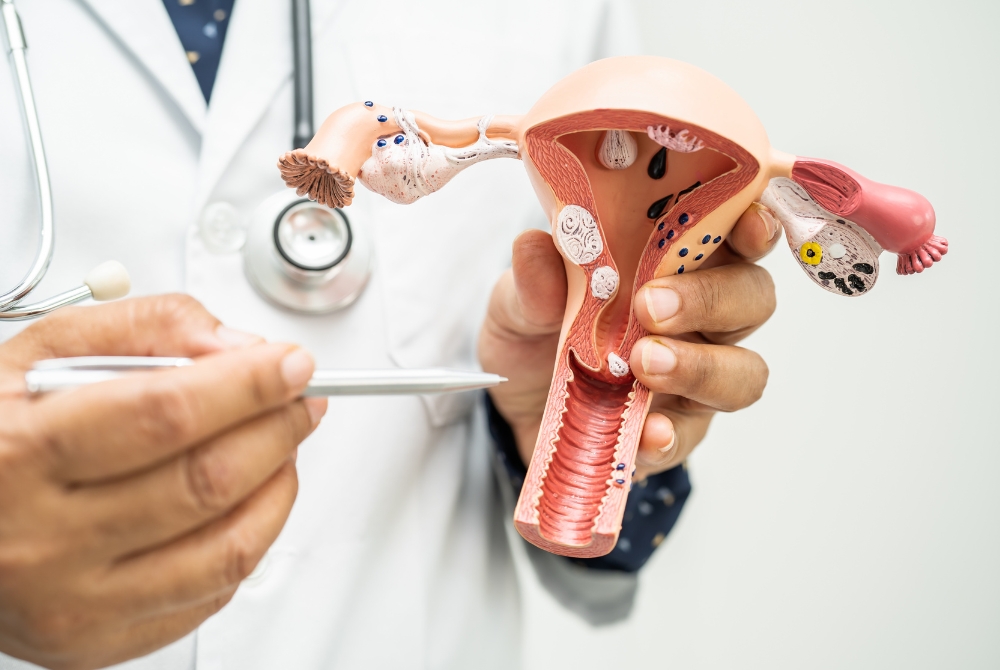

If you’ve been thinking about having children in the future, you may have wondered whether egg freezing is something worth considering now.
For some people, the question comes up because of career plans, relationships, or simply feeling unsure about when they might want to start a family. For others, it may be connected to a medical condition or upcoming treatment that could affect fertility.
Egg freezing is one option that may help preserve the possibility of having a biological child later in life. Understanding how it works, what it can offer and its limitations can help you decide whether it’s appropriate for your circumstances.
At Create Fertility, we believe these conversations should begin with clear information and an understanding of your individual situation.
What is egg freezing for fertility preservation?
Egg freezing, also called oocyte cryopreservation, is a fertility preservation procedure that involves collecting mature eggs from the ovaries, freezing them and storing them for possible future use. The eggs are frozen `in time’ thereby preventing age related deterioration in quality and ability to make a baby.
When someone is ready to try for pregnancy using their frozen eggs, the eggs can be thawed and fertilized through assisted reproductive treatment (IVF).
Egg freezing may be considered for personal or medical reasons.
However, freezing eggs does not guarantee a future pregnancy or live birth. The outcome depends on several factors, including age at freezing, the number of mature eggs stored and how the eggs develop when used. You can learn more about the available options on our fertility preservation page.
Who should consider egg freezing in Victoria?
There is no single type of person who may benefit from discussing egg freezing.
Some people consider fertility preservation because they would like children one day but are not ready to pursue pregnancy now. Others may be considering treatment that could affect their reproductive health.
Common reasons include:
· Personal circumstances: You may want children in the future, but your current relationships, career or other plans make pregnancy less suitable right now.
· Medical treatment: Chemotherapy, radiation or certain medical procedures may affect ovarian function or fertility.
· Reproductive health conditions: Some conditions, including certain cases of endometriosis, may affect ovarian reserve or involve treatments that could influence future fertility.
· Family history: A family history of early menopause or primary ovarian insufficiency may prompt a discussion about fertility assessment and preservation.
Having one of these circumstances does not automatically mean egg freezing is necessary.
A consultation can help you understand whether it may be a useful option, what assessment is appropriate and how your personal plans fit into the decision.
What is the best age to freeze your eggs?
In general, eggs frozen at a younger reproductive age have a greater chance of resulting in a future live birth than eggs frozen at an older age. However, there is no single best age that applies to everyone.
Both egg quantity and egg quality change over time. For many women, these changes become more noticeable through their mid-to-late thirties.
Age at the time of freezing is particularly important because it influences the reproductive potential of the eggs when they are used later.
Someone considering egg freezing in their early thirties may have different expected outcomes from someone considering it in their late thirties or early forties.
That does not mean everyone should freeze their eggs at a particular age. The potential benefits need to be weighed against the costs, treatment requirements, likelihood of using the eggs and individual reproductive circumstances. For more information, read our guide to age and fertility.
How does the egg freezing process work in Victoria?
Egg freezing usually involves a consultation and assessment, followed by ovarian stimulation, egg collection and freezing.
Step 1: Fertility consultation and assessment
Your specialist discusses your medical history, menstrual cycle, age and family planning goals. They may recommend blood tests, including AMH, and an ultrasound to assess ovarian reserve.
Step 2: Ovarian stimulation
Hormone injections are usually taken for approximately 10 to 14 days to encourage several follicles to develop. Ultrasounds and blood tests help monitor the ovarian response.
Step 3: Egg collection
Eggs are collected through an ultrasound-guided procedure, usually performed under sedation or anaesthesia. The number of eggs retrieved varies between individuals.
Step 4: Freezing and storage
Mature eggs suitable for freezing are preserved using vitrification, a rapid-freezing technique, and stored in specialised conditions for possible future use.
Some people may obtain a suitable number of mature eggs after one stimulation cycle, while others may consider additional cycles depending on their results and goals.
Ovarian stimulation and egg collection also carry risks. These include ovarian hyperstimulation syndrome (OHSS), bleeding, infection and complications associated with the procedure or anaesthesia. Serious complications are uncommon, but they should be discussed before treatment.
How many eggs should you freeze?
There is no single number of eggs that can guarantee a future baby. The number of mature eggs someone may consider freezing depends on their age, reproductive goals and expected ovarian response.
Your specialist may discuss an estimated number of mature eggs to aim for, based on the likelihood of achieving a future live birth.
The number collected during treatment may be different from the number of mature eggs ultimately frozen.
It is also important to understand that some eggs may not survive thawing, some may not fertilize and some resulting embryos may not develop or lead to a live birth.
This is why egg freezing decisions are usually based on individual circumstances and probabilities rather than a fixed target.
Can an AMH test tell you whether you need egg freezing?
An AMH (anti-Müllerian hormone) blood test can help estimate ovarian reserve, which refers to the remaining pool of eggs in the ovaries.
It may help a fertility specialist anticipate how your ovaries could respond to stimulation and inform planning for an egg freezing cycle.
However, AMH does not directly measure egg quality, predict your natural chance of conception or tell you exactly how many reproductive years you have remaining.
An AMH result is most useful when considered alongside age, ultrasound findings and medical history. Learn more about AMH and ovarian reserve testing.
How much does egg freezing cost in Victoria?
The cost of egg freezing in Victoria depends on whether treatment is undertaken for medical or personal reasons, the clinic’s fees and the treatment required.
Costs can include consultations, medication, monitoring, egg collection, freezing and ongoing storage. Future treatment to use the eggs may involve additional expenses.
Is egg freezing covered by Medicare?
Medicare rebates may be available for eligible fertility preservation treatment undertaken for medical reasons, such as before certain treatments that may affect fertility.
Elective egg freezing for personal or social reasons generally does not attract Medicare rebates.
Before proceeding, it is useful to request a personalized cost breakdown that clarifies the treatment fees, medication costs, storage charges and any applicable rebates.
How long can frozen eggs be stored in Victoria?
In Victoria, eggs can generally be stored for an initial period of up to 10 years. An extension may be possible through the Victorian Patient Review Panel.
Storage periods are subject to Victorian law, and applications for extensions are assessed according to the relevant circumstances.
If you are considering egg freezing, it is worth discussing storage arrangements with your clinic, including consent requirements, ongoing fees and what happens as the permitted storage period approaches its end.
Fertility treatment in Victoria is regulated under the Assisted Reproductive Treatment Act 2008 and associated regulations. The Victorian Department of Health is the current regulator of assisted reproductive treatment
What happens when you want to use your frozen eggs?
When you decide to use your frozen eggs, they are thawed in a laboratory and assessed for survival.
Suitable eggs may then be fertilized with sperm using intracytoplasmic sperm injection (ICSI), a technique in which a single sperm is injected into an egg.
If fertilization occurs and an embryo develops appropriately, an embryo may be transferred to the uterus as part of fertility treatment.
The chance of success depends on several stages, from egg survival and fertilization through to embryo development and implantation.
Age at the time of egg freezing remains important, while health and reproductive circumstances at the time of pregnancy also matter.
Is egg freezing worth considering if you are unsure about having children?
For some people, egg freezing is worth exploring because their future plans are uncertain.
You may know that you would like children eventually without knowing when that might be. You may also be undecided about parenthood and simply want to understand the available options.
Both are reasonable starting points for a conversation.
A fertility specialist can explain the expected benefits, limitations, and costs in the context of your age and circumstances. You can then decide whether proceeding, waiting, or taking no action feels appropriate. If you’re considering egg freezing in your early thirties, our article Is Freezing Your Eggs in Your Early 30s Still Worth It? explores some of these considerations.
Egg freezing and fertility preservation at Create Fertility
At Create Fertility, we understand that questions about future fertility often come before any decision about treatment.
Our fertility specialists can help you understand your current reproductive health, discuss what fertility preservation involves, and consider whether egg freezing may be suitable for you. We provide fertility care across our Melbourne clinic locations, including Mount Waverley, East Melbourne and Berwick.
You don’t need to have already decided on egg freezing to have a conversation about your options. If you’d like to understand where things stand, you can explore our egg freezing services in Melbourne or speak with our team about an initial consultation.
Frequently Asked Questions About Egg Freezing in Victoria
Can I freeze my eggs in Victoria for non-medical reasons?
Yes. Egg freezing is available in Victoria for both personal and medical reasons. You may consider it if you want to preserve eggs for potential future use, even if you do not currently have a medical condition affecting fertility.
Is 35 too late to freeze your eggs?
No. Egg freezing can still be considered at 35 and beyond. However, egg quantity and quality change with age, which can affect the number of eggs retrieved and the likelihood of future success. A fertility specialist can discuss what the procedure may offer based on your individual circumstances.
Can egg freezing guarantee pregnancy later?
No. Some eggs may not survive thawing or fertilize, and some embryos may not lead to a live birth. The number of mature eggs stored and your age when they were collected are important factors in expected outcomes.
How long does an egg freezing cycle take?
Ovarian stimulation commonly takes around 10 to 14 days, followed by egg collection. The overall process takes longer when consultation, testing, cycle planning and recovery are included.
Can I freeze my eggs if I have endometriosis?
Some people with endometriosis may benefit from discussing fertility preservation, particularly if ovarian surgery is being considered or ovarian reserve may be affected. Egg freezing is not necessary for everyone with endometriosis, and suitability depends on individual assessment.
Can I get pregnant naturally after freezing my eggs?
Yes. Egg freezing does not generally prevent natural conception. Whether you can conceive naturally later depends on your reproductive health, age and other relevant factors. Some people who freeze eggs never need to use them.
Are egg freezing and embryo freezing the same?
No. Egg freezing involves storing unfertilized eggs. Embryo freezing involves fertilizing eggs with sperm before suitable embryos are frozen. The choice depends on individual circumstances, reproductive plans, and applicable consent requirements.
Where can I discuss egg freezing in Melbourne?
Create Fertility offers fertility consultations at Mount Waverley, East Melbourne and Berwick locations. A consultation can help you understand your ovarian reserve, expected response to treatment and the benefits and limitations of egg freezing.